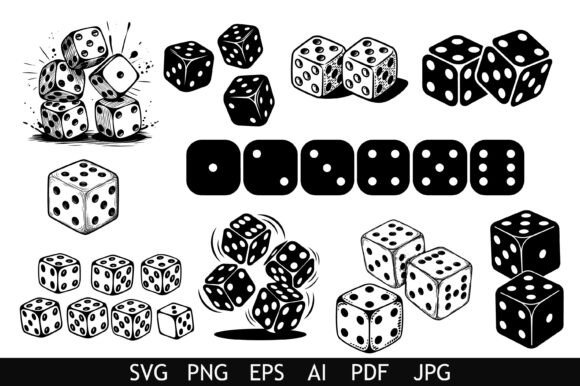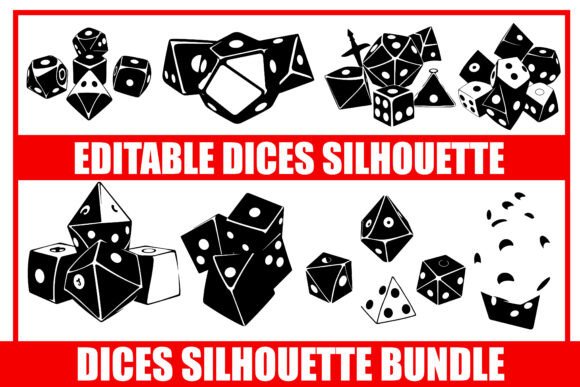
Dice Bag Silhouette Collection Review
As a designer who has spent years stitching, digitizing, and reviewing embroidery files for everything from boutique apparel to high-end corporate gifts, I know that the difference between a project that sells out and one that gathers dust often comes down to the design itself. Recently, I had the chance to put the Dice Bag Silhouette Collection through its paces with real-world testing. This isn't just another generic graphic pack; it is a set of graphics specifically curated for the Crafts category within the Graphics sector, aimed at those who understand that a silhouette must hold up under the tension of a needle and thread.
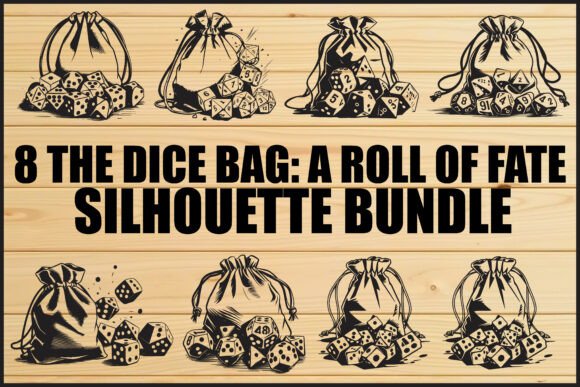
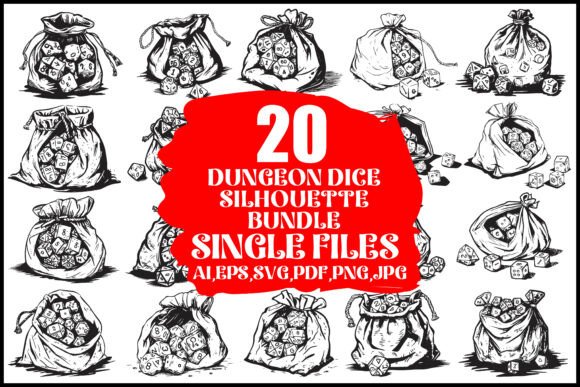
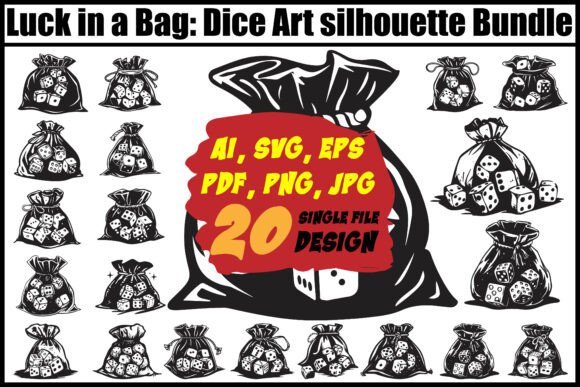
The first thing you notice about the Dice Bag Silhouette Collection is its mood. It immediately evokes the cozy, slightly chaotic energy of a game night. The silhouette captures the essence of a drawstring bag, complete with the subtle curve where the cords gather, which is a detail many designers overlook. When I opened the file in my digitizing software, the visual personality felt clean and modern. It doesn't scream for attention with excessive detail; instead, it relies on strong lines and negative space. For an embroiderer, this is music to their ears. A design that relies on bold shapes rather than intricate linework is far more forgiving when transferred from screen to fabric.
From Digital File to Finished Product: A Real-World Scenario
To truly evaluate this asset, I didn't just look at the preview images. I simulated a commercial workflow. Imagine you are preparing a custom embroidered tote bag for a local gaming convention or creating a personalized gift for a tabletop RPG enthusiast's birthday. You need something that looks professional but retains that handmade charm. The Dice Bag Silhouette Collection fits this scenario perfectly.
I selected the PNG 8 format to create a mockup on a canvas tote bag. The shape translated beautifully into a satin stitch outline. Because the silhouette is relatively simple, the satin stitch coverage was even, avoiding the dreaded "bird nesting" that often happens with complex curves. When I moved to the fill stitch for the body of the bag, the density remained consistent, ensuring the design wouldn't pucker the heavy cotton canvas. The result was a crisp, recognizable icon that customers would instantly identify as a dice bag. It elevates a standard tote bag from a plain accessory to a statement piece for hobbyists.
This same logic applies to embroidery projects like baby onesies or nursery decor. The soft, rounded edges of the silhouette make it safe and visually appealing for children's items. It avoids sharp corners that might look aggressive on a baby's clothing. Instead, it offers a playful nod to the parents' love for gaming without being overwhelming. Whether you are selling these as part of your Etsy seller shop or making them as personalized gifts, the design adds a layer of specificity that generic text-based designs simply cannot match.
Performance Across Different Fabrics and Surfaces
A true test of any machine embroidery design is how it behaves across various materials. The Dice Bag Silhouette Collection proved versatile here. On smooth, stable fabrics like denim or twill, the definition is sharp. However, I also tested it on a textured fleece sweatshirt, a common medium for sweatshirt embroidery. The silhouette held up well because the lack of fine internal details meant the texture of the fabric didn't get lost in the stitching.
For commercial embroidery on hats or caps, the design works surprisingly well due to its compact nature. Curved surfaces can distort complex patterns, but a strong silhouette remains legible. I also considered using this as an embroidered patch for jackets or aprons. The clean edges make it ideal for applique work if you choose to combine the silhouette with a contrasting fabric background. In such cases, the running stitch used to secure the applique would blend seamlessly with the main design elements.
However, there are limitations to consider. If you plan to use this on thin, stretchy knits without proper stabilization, the tension required for the satin stitches could cause the fabric to ripple. Similarly, on dark fabrics, the contrast is key. If you stitch a black silhouette on a navy shirt, the design will vanish. The Dice Bag Silhouette Collection demands thoughtful thread colors selection to maintain visibility. Always test your color combinations before committing to a bulk order of finished products.
Where Caution Is Required
While the design is robust, it is not a magic bullet for every situation. Small hoop sizes present a challenge. If you attempt to stitch this on a very small item, like a cap brim or a tiny baby bib, the proportions might feel cramped. The silhouette needs enough room to breathe so that the shape of the bag and the cords are distinct. If the hoop size is too tight, the design loses its character.
Textured fabrics like terry cloth or heavily distressed denim can also be tricky. The uneven surface might interfere with the needle path, causing skipped stitches or a rough finish. Additionally, for products that require frequent washing, such as kitchen towels or aprons, you must ensure the stitch density is appropriate. Too dense, and the fabric becomes stiff and prone to tearing; too loose, and the design may unravel over time. Always review the specific instructions provided with the embroidery file to confirm the recommended stabilizer type.
Impact on Brand and Customer Trust
In the world of craft business and small shop product creation, presentation is everything. A poorly executed design can signal amateurism, while a clean, well-stitched motif builds confidence. The Dice Bag Silhouette Collection contributes significantly to brand consistency. When you use this design across multiple items—say, a tote bag, a pillow cover, and a holiday gift tag—it creates a cohesive visual identity for your handmade product line.
Customers appreciate clarity. They want to know exactly what they are buying. A clear silhouette of a dice bag immediately communicates the theme of the product. It reduces the cognitive load for the buyer, making them more likely to engage with your listing. Furthermore, for digital sellers offering printable mockups or design assets, having a clean vector source (like the EPS 8 included) allows for high-quality previews that accurately represent the final stitched look. This transparency fosters trust and encourages repeat business.
Practical Designer Notes for Success
Before you hit the "start" button on your machine, there are several steps every experienced creator should take. First, always test the design on scrap fabric. This is non-negotiable. Check how the stabilizer interacts with your chosen material and whether the design requires additional backing. Second, inspect the small details. While the silhouette is simple, ensure that the cord loops are defined and do not merge together during the stitching process.
Review the stitch density settings in your software. If the design feels too heavy, adjust the fill percentage. Confirm the hoop size matches your intended project dimensions. It is also wise to test the design in black and white mockups to verify that the shape reads correctly without relying on color contrast. Finally, check the licensing terms. Even though the file includes formats like SVG 8 and JPG 8, you must confirm whether you have the right to sell finished items made with the Dice Bag Silhouette Collection or if the license restricts commercial use.
Ultimately, the Dice Bag Silhouette Collection is a practical, high-value tool for anyone looking to expand their repertoire of custom apparel or holiday embroidery. It bridges the gap between digital art and tangible craft with ease. By understanding its strengths and respecting its limitations, you can create finished products that are not only functional but also aesthetically pleasing and commercially viable. Whether you are a seasoned pro or a hobbyist maker, this collection offers a solid foundation for your next creative endeavor.