80s Arcade Game: A Designer's Real-World Embroidery Review
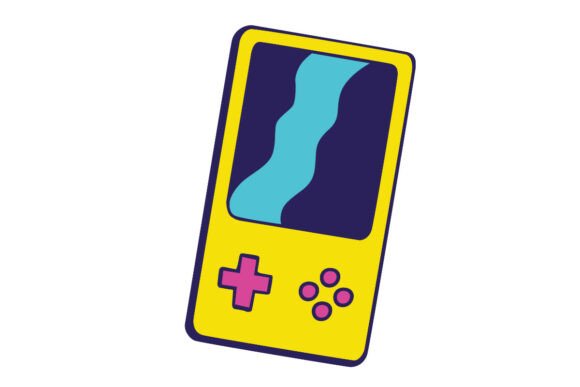
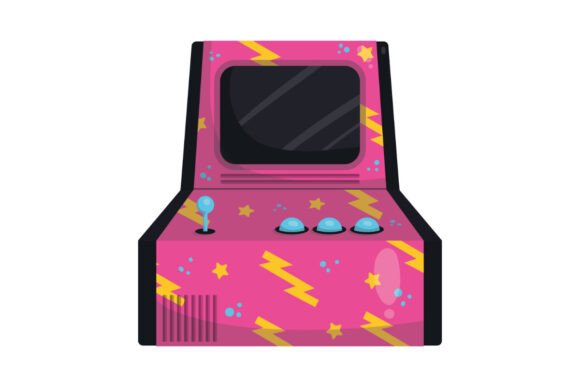
When I first opened the file for 80s Arcade Game, my immediate reaction was a rush of nostalgia mixed with a designer's critical eye. It isn't just another retro clipart; it is a bold, nostalgic arcade machine illustration rendered in a striking bright pink color scheme that demands attention. The inclusion of stars and lightning bolts adds a layer of kinetic energy that feels perfect for modern pop culture designs. However, as someone who has stitched hundreds of designs for client projects and personal craft businesses, I know that looking good on a screen is only half the battle. The real question is how this embroidery design translates to thread, fabric, and a finished product.
The First Impression: Mood and Visual Personality
This piece exudes a confident, high-energy vibe. The layout is centered and balanced, making it an ideal candidate for custom apparel where symmetry matters. The visual personality is unmistakably retro, capturing the neon-soaked aesthetic of late-night gaming sessions from decades past. For an Etsy seller or small business owner, this design offers immediate recognition value. Customers love nostalgia, and a design featuring a classic arcade cabinet hits that emotional chord instantly.
The bright pink color scheme is its strongest asset, but it also dictates where it can be used effectively. It screams "fun" and "playful," which naturally steers it away from formal wear or corporate branding. Instead, it belongs in the realm of handmade products, party invites, and boutique merchandise. Whether you are creating a tote bag design for a gaming convention or a sweatshirt embroidery piece for a birthday gift, 80s Arcade Game sets the right tone immediately. It feels like a design that wants to be seen, worn, and displayed.
Real-Life Application: From Screen to Stitch
I recently tested this design for a hypothetical project: a batch of custom embroidered patches intended for sale at a local craft fair. My goal was to see how the details held up under the needle and how the final product would feel in a customer's hand. The result was promising, but not without specific considerations.
For custom apparel, such as t-shirts and sweatshirts, this design shines. The bold lines translate well to fill stitch, giving the garment a textured, professional look. If you are a digital product seller creating printable mockups, this design will make your listings pop because the colors are vibrant enough to stand out even in thumbnail views. I envision this being a top-tier item for holiday gifts, especially for the gamer in the family who appreciates vintage aesthetics.
However, the application extends beyond clothing. I imagine embroidered patch versions of 80s Arcade Game applied to denim jackets or canvas backpacks. The stars and lightning bolts add dynamic movement that works beautifully on larger surface areas like pillow covers or kitchen towels. For a nursery decor item, perhaps a baby blanket, the playful theme could work if paired with softer background colors, though the pink might need toning down slightly depending on the overall room palette.
Navigating Technical Challenges and Limitations
While the design is visually striking, every experienced embroiderer knows that detail is the enemy of durability in certain contexts. There are specific scenarios where 80s Arcade Game requires careful handling. Small hoop sizes are a primary concern. If you attempt to stitch this into a tiny 3x3 inch area, the fine details of the arcade buttons and the lightning bolts may become muddy or lost entirely. The stitch density needs to be sufficient to cover the fabric, but too much density can cause puckering on thin materials.
Fabric texture plays a crucial role here. On smooth cotton or polyester blends, the satin stitch will lay flat and crisp. However, on highly textured fabrics like heavy wool or boucle, the design may struggle to register clearly. Similarly, stretchy fabrics like jersey require a strong stabilizer system to prevent distortion. If you are working on a cap or hat, the curved surface can distort straight lines, so testing on scrap material is non-negotiable before committing to a final product.
Dense stitch areas, particularly around the edges of the arcade machine, can sometimes lead to thread breaks if the machine tension is off. Additionally, dark fabrics present a challenge. While the bright pink pops against white or light backgrounds, stitching it onto black fabric might require a substantial underlay or a lighter thread choice to ensure visibility. For commercial embroidery projects where consistency is key, these variables must be managed meticulously.
Impact on Product Value and Brand Perception
In the world of handmade goods, the quality of the embroidery directly influences customer trust and brand consistency. A clean, well-executed embroidery project signals professionalism. When a buyer sees 80s Arcade Game stitched perfectly on a tote bag or a personalized gift, they perceive higher value. The design's clarity contributes to the overall aesthetic, making the finished product feel premium rather than mass-produced.
Conversely, poor execution—such as loose threads, misaligned details, or color bleeding—can damage a small shop's reputation. This is why understanding the limitations of the design file is vital. If the design includes tiny lettering or intricate decorative accents, those elements must be legible after stitching. If they blur, the entire design loses its impact. For an Etsy seller, ensuring that the finished product looks as good as the digital preview is essential for maintaining positive reviews and repeat business.
Practical Notes for the Design Professional
Before you upload this to your machine or start stitching for a client, there are several steps you must take. First, always test the design on scrap fabric. This allows you to check thread color contrast and review stitch density without risking your inventory. Inspect small details closely to ensure they haven't merged during the digitizing process.
Confirm your hoop size matches the design dimensions. Using the wrong stabilizer can ruin even the best file, so choose a backing that supports the fabric type you are using. If you are planning to sell finished items, verify the licensing terms associated with the digital embroidery file. Some licenses allow for single-use commercial projects, while others restrict resale. Check whether the design works for both personal and commercial projects to avoid legal issues later.
Finally, compare light and dark fabric backgrounds in your mockups. Sometimes a design looks great on a white background but disappears on a colored one. Testing it in black and white mockups can also help you assess the contrast and balance of the shapes independent of color. By following these practical guidelines, you ensure that 80s Arcade Game delivers the high-quality results your customers expect.
Ultimately, this design is a versatile tool for any creative entrepreneur looking to tap into the retro gaming trend. With the right preparation and attention to technical details, it can elevate your craft business offerings significantly. Whether you are making a quick personalized gift or building a line of boutique products, 80s Arcade Game provides a solid foundation for success.