Tactical Soldier Sci-Fi Warrior 4: A Designer's Real-World Embroidery Review
I have spent years reviewing Graphics and Crafts assets, but nothing beats the moment you actually pull a design off the screen and stitch it into fabric. Today, I am putting Tactical Soldier Sci-Fi Warrior 4 through its paces to see if it holds up under the needle of a real machine embroidery project. As someone who sells handmade goods and creates custom apparel for clients, I need designs that are not just visually striking but technically sound.
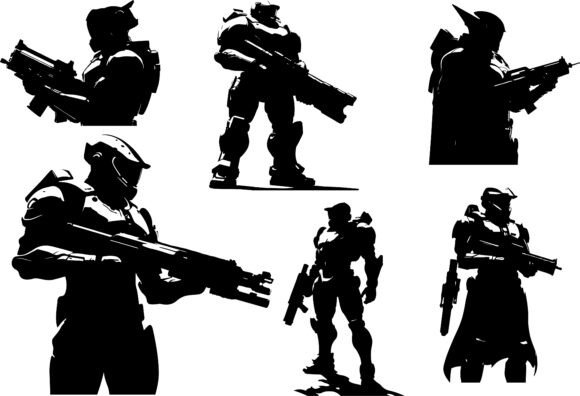
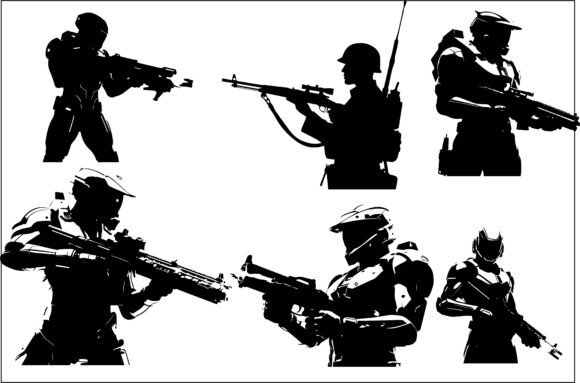
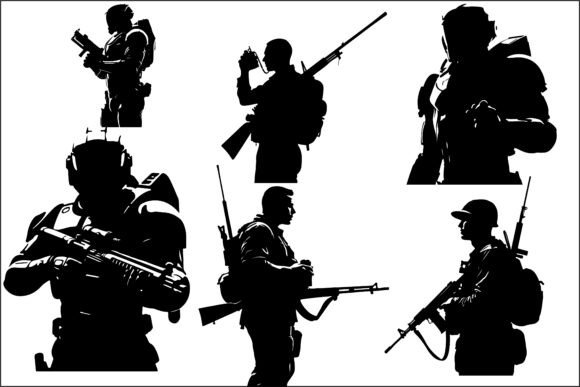
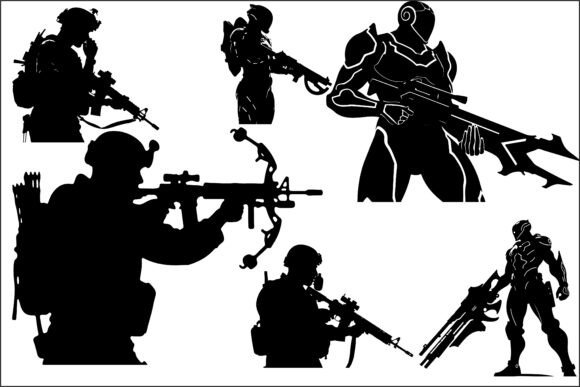
The first impression of Tactical Soldier Sci-Fi Warrior 4 is one of gritty, futuristic intensity. The silhouette captures a warrior in full tactical gear, exuding a mood that is both serious and adventurous. Unlike generic soldier outlines, this design has a distinct sci-fi edge that suggests advanced technology and high-stakes missions. For an embroidery designer, the visual personality here is key; it naturally belongs on rugged materials like canvas, denim, or heavy cotton blends. It feels right at home on a custom sweatshirt for a gaming convention or a tactical-themed tote bag for a gift shop.
From Digital File to Finished Product: Real Project Scenarios
Let me walk you through how I envision using Tactical Soldier Sci-Fi Warrior 4 in a live business scenario. Imagine you are preparing a batch of merchandise for a holiday craft fair. You want to create a line of personalized gifts for military enthusiasts or sci-fi fans. This design would be perfect for an embroidered patch intended for a bomber jacket or a large-scale applique design on a baby onesie, assuming the details are simplified correctly.
However, when I look at the file structure provided—PNG, EPS, SVG, and JPG—I immediately think about versatility. The vector nature of the EPS and SVG files means I can scale Tactical Soldier Sci-Fi Warrior 4 without losing clarity. If I were designing a boutique product line, I could use the high-resolution PNG for printable mockups to showcase the design on various apparel items before ever touching a spool of thread. For the actual embroidery, the clean lines of the silhouette suggest it will translate well into satin stitch for the outline and fill stitch for the armor details.
Consider a small shop owner creating custom aprons for a kitchenware brand with a "survivalist" theme. Tactical Soldier Sci-Fi Warrior 4 adds a layer of professionalism and intrigue that elevates a standard kitchen towel into a statement piece. The dark, bold shapes of the warrior contrast beautifully against light fabrics, making the finished product feel premium. When customers see this level of detail in a handmade item, their trust in the brand increases, and they are more likely to pay a higher price point for the craftsmanship involved.
Navigating Technical Challenges in Embroidery
While the visual appeal of Tactical Soldier Sci-Fi Warrior 4 is undeniable, every experienced designer knows that the devil is in the details. Before committing this design to a final commercial run, there are specific areas where caution is required. The design features complex silhouettes and potentially intricate details within the armor plating. If you attempt to stitch this on a small hoop size, you risk losing the definition of the smaller elements. The tiny gaps between the tactical gear parts might become muddled if the stitch density is too high.
Fabric texture plays a massive role here. On a smooth, stable cotton twill, the design will likely pop with crisp edges. However, on textured fabrics like boucle wool or thin, stretchy knits, the stability of the embroidery could be compromised. Stretchy fabrics require a heavy-duty stabilizer to prevent puckering, which can distort the sharp angles of the sci-fi warrior. Similarly, dark fabrics present a challenge; unless you plan to use a high-density underlay or a contrasting thread color, the details of the silhouette might get lost in the background noise of the material.
I also advise paying close attention to curved surfaces like caps. While Tactical Soldier Sci-Fi Warrior 4 works well on flat surfaces like tote bags or pillow covers, transferring a large, detailed silhouette onto a curved cap brim requires careful digitizing adjustments. The perspective shifts on a curve, and what looks balanced on a screen might appear distorted once stitched. If the design includes any fine lettering or tiny decorative accents, these should be avoided on products that need frequent washing, as the friction can cause fraying over time.
Practical Notes for the Serious Designer
If you are planning to use Tactical Soldier Sci-Fi Warrior 4 for your next embroidery project, here is my professional advice based on years of testing similar assets. First, always test the design on scrap fabric that matches your final material. This allows you to check thread color contrast and ensure the stitch density is appropriate for the garment type. A design that looks great on a screen might require a different thread tension when executed physically.
Review the stitch types closely. Satin stitch is excellent for outlining the warrior's helmet and weapon, providing a shiny, durable finish. Fill stitch will give weight to the body armor, but ensure the density isn't so high that the fabric becomes stiff and uncomfortable. Running stitch might be used for subtle detailing, but verify that the spacing is sufficient to prevent the threads from breaking. Always confirm the hoop size needed for the design dimensions to avoid cutting off critical parts of the image.
For those selling on platforms like Etsy or running a craft business, consider creating both light and dark fabric mockups. Seeing Tactical Soldier Sci-Fi Warrior 4 on a black hoodie versus a white tote bag helps you understand the versatility of the asset. Use proper stabilizer for every project; a floating applique method might be necessary if you want to layer this design over other elements. Check whether the design works for both personal and commercial projects by reviewing the license terms explicitly included with the download.
Finally, inspect the small details before finalizing your order. Are the corners of the armor defined? Does the silhouette maintain its shape when scaled down? If you are unsure about the exact stitch count or machine compatibility, reach out to the creator or consult the file documentation. Do not assume compatibility; verify it. This diligence ensures that your finished product reflects the quality you promise to your customers.
In conclusion, Tactical Soldier Sci-Fi Warrior 4 is a compelling asset for designers looking to add a touch of futuristic warfare to their collection. It offers strong visual impact and flexibility across various media formats. By understanding its limitations regarding fabric type and hoop size, you can transform this digital graphic into a stunning, market-ready handmade product. Whether you are creating a personalized gift for a friend or a new SKU for your online store, this design has the potential to stand out in a crowded marketplace.